Skip to content
Niscell

The NiSCELL Dual-Shield Platform

Clear, then repair.

Made in a licensed facility.

Natural killer (NK) cells clear what the body needs removed. Mesenchymal stem cells (MSC) support repair of what remains. NiSCELL manufactures both, in its own cleanrooms, in Malaysia.

How the platform works
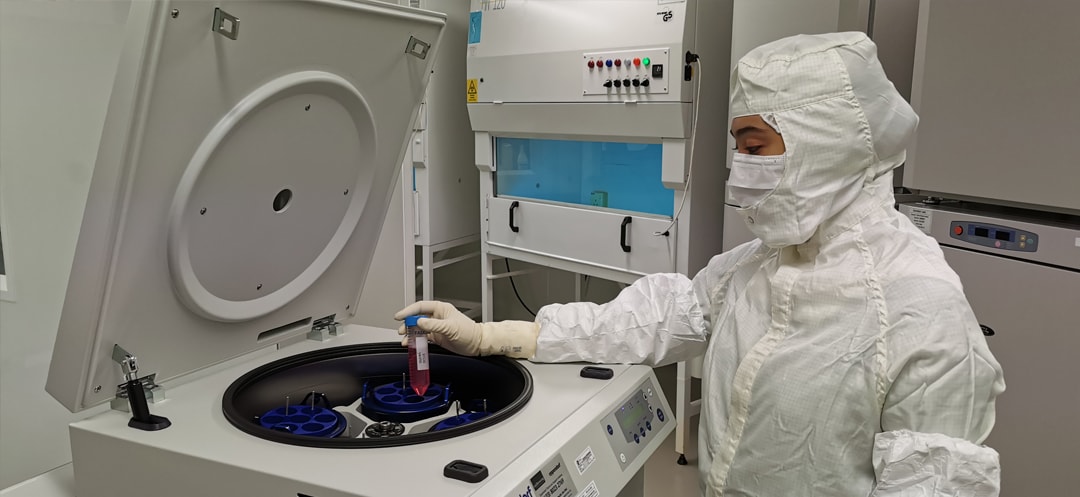
A gowned technician lowering a sample tube into an open floor-standing centrifuge inside a NiSCELL cleanroom, with a biosafety cabinet behind.
Sample processing at the centrifuge. NiSCELL facility, Petaling Jaya.
cGMP accredited
by the NPRA
BioNexus status
Bioeconomy Corporation
15 years
in immunotherapy
4 Grade B cleanrooms
plus two Grade C
Japan, 2009
Biotherapy Institute transfer

In the room

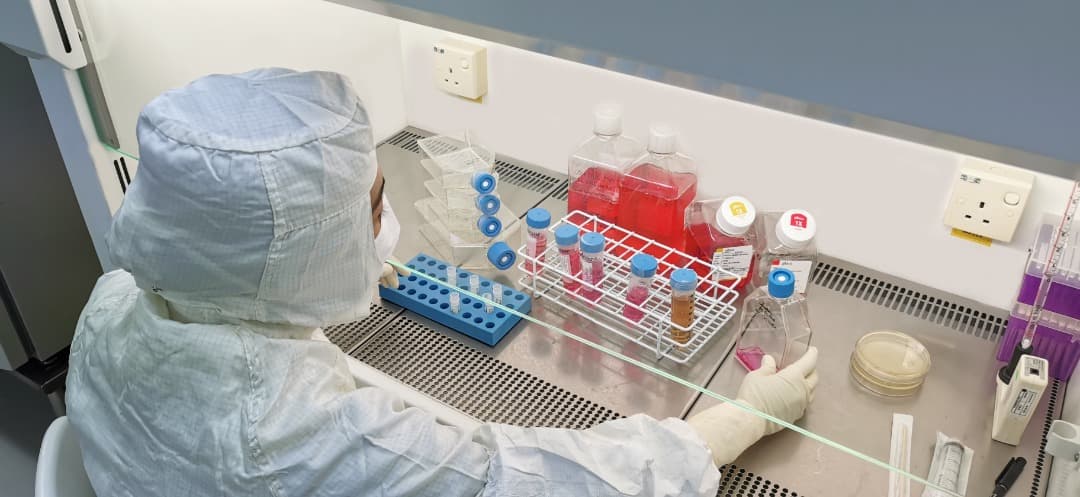
A gowned operator handling sample vials at a biosafety cabinet in a NiSCELL cleanroom, with culture media bottles and vial racks on the deck.
Open handling at a biosafety cabinet. NiSCELL facility, Petaling Jaya.
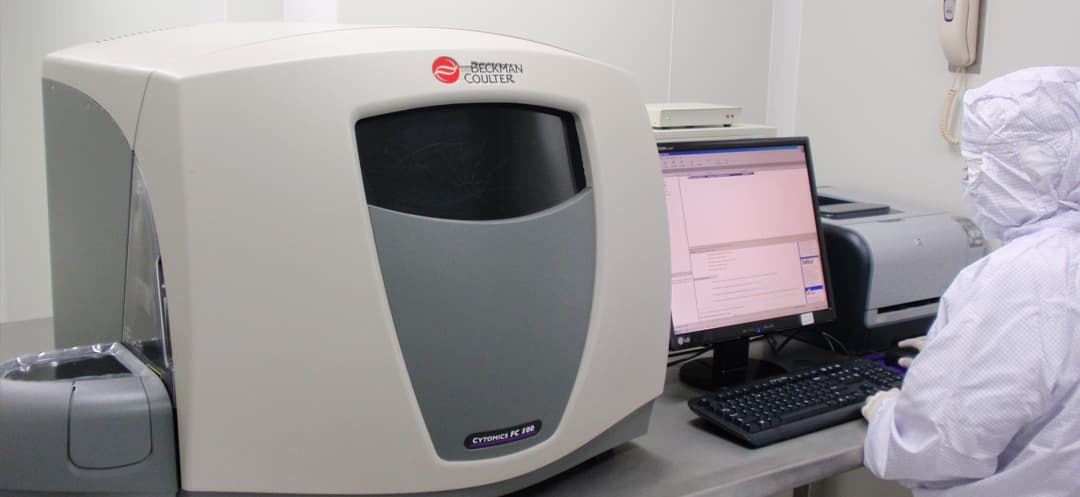
A gowned operator seated at a Beckman Coulter Cytomics FC 500 flow cytometer in the NiSCELL laboratory, reading the analysis on the workstation beside it.
Flow cytometry on the Beckman Coulter Cytomics FC 500. NiSCELL facility, Petaling Jaya.

Verifiable

Checkable before it is interesting

A cell therapy company should be able to show its licences before it shows its science.

See the evidence
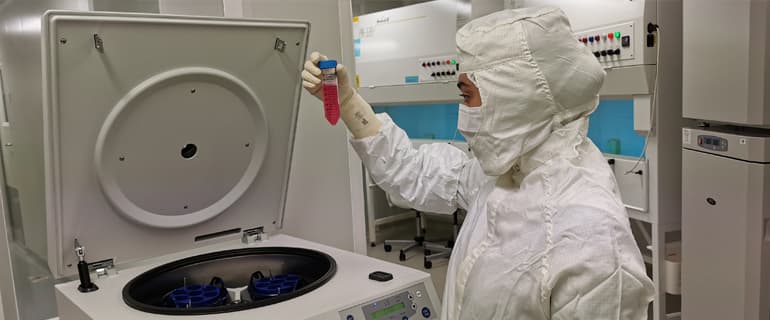
A gowned technician inspecting a sample vial beside an open centrifuge in a NiSCELL cleanroom.
Sample inspection. NiSCELL facility, Petaling Jaya.

The rooms, photographed

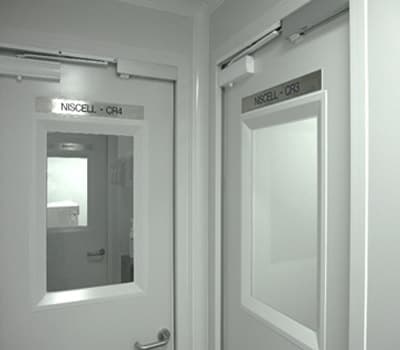
Two cleanroom entry doors with viewing panels, each carrying an engraved sign reading NISCELL CR4 and NISCELL CR3.
Cleanroom entry, CR3 and CR4. Door signage carries the same numbering as the published plan.
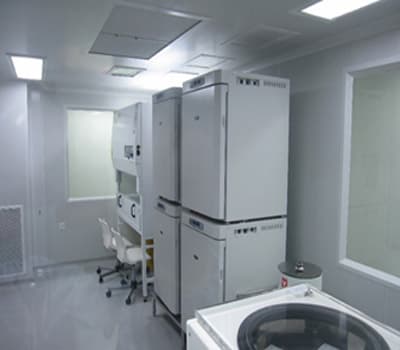
The interior of a cleanroom suite showing freezers, an incubator and a biosafety cabinet along the wall.
Cleanroom suite interior. NiSCELL facility, Petaling Jaya.
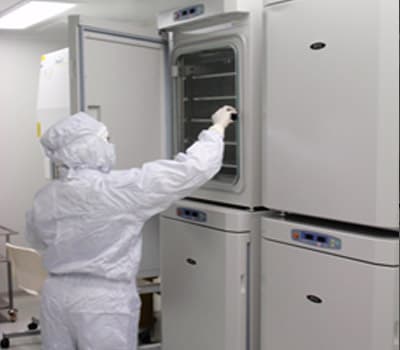
A gowned operator reaching into an open upper cabinet among stacked white units with digital control panels.
A gowned operator at an open cabinet.

The platform

Two cell types, used in sequence

One clears, one repairs. Manufacturing both to the same standard is what makes this a platform rather than a set of separate therapies.

The NiSCELL Dual-Shield Platform

Two cell types, used in sequence. Natural killer (NK) cells clear what the body needs removed. Mesenchymal stem cells (MSC) then support repair of what remains. One platform, two jobs.

01

Clear

NK cells

Natural killer cells are part of the body's own immune system. They recognise and remove cells that are damaged, aged or abnormal, without needing to be told what to look for first.

  • Clearing senescent cells, meaning cells that have stopped dividing but have not been removed
  • Clearing pathogens
  • Acting on cancer-forming cells
  • Supporting general immune function
02

Repair

MSC

Mesenchymal stem cells are adult stem cells. They support the repair and regeneration of damaged tissue, and they signal to the tissue around them rather than simply replacing it.

  • Supporting repair of damaged cells and tissue
  • Signalling to surrounding tissue
  • Low immunogenicity, meaning the recipient's body is less likely to react against them

Dual-Shield describes how NiSCELL organises its platform. The two therapies are manufactured and studied separately. NiSCELL does not claim that combining them has been shown to work better than either one alone.

The science

The asset

The facility is the hard part

Cells cannot be shipped in from somewhere cheaper. They are made in a regulated room, near the clinician, under an accreditation that takes years to earn.

4
Grade B cleanrooms (NCR-1 to NCR-4)
2
Grade C rooms
cGMP
accredited by the NPRA
15th ed.
AATB Standards for Tissue Banking, followed for UC-MSC collection
CLEAN CORRIDORNCR-1GRADE BNCR-2GRADE BNCR-3GRADE BNCR-4GRADE BGrade C roomGRADE CGrade C roomGRADE CChange roomMALEChange roomFEMALEWater treatmentPASS BOX, MATERIAL TRANSFER
Schematic plan, cell processing facilityRoom inventory and adjacencies are accurate. Proportions are diagrammatic, not surveyed.

The rooms

  • Four Grade B cleanrooms, numbered NCR-1 to NCR-4
  • Two Grade C rooms
  • Clean corridors between suites
  • Pass boxes for material transfer
  • Grade B change rooms, separate male and female
  • Water treatment
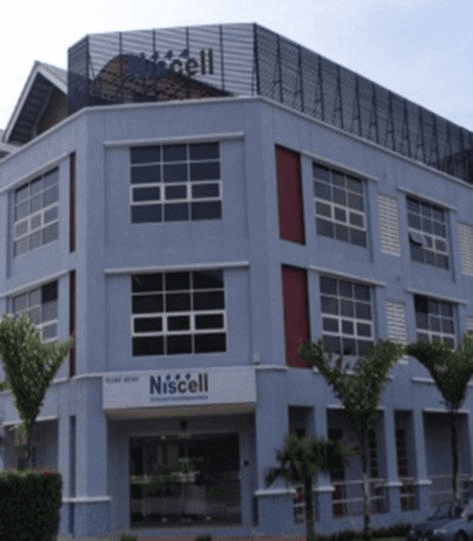
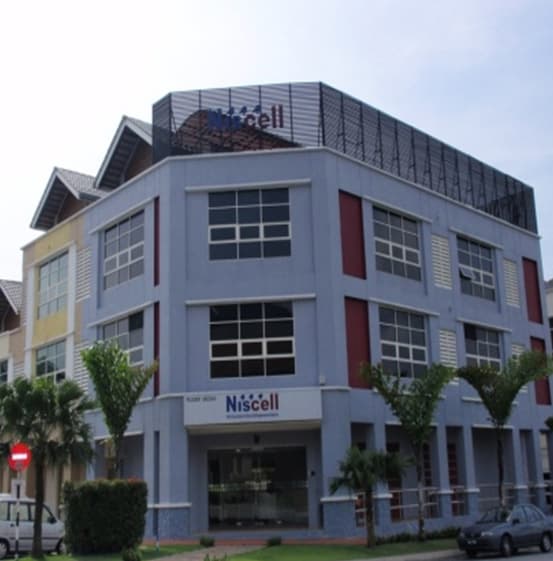
The NiSCELL building in Kota Damansara, Petaling Jaya, photographed from the street.
The facility, Kota Damansara, Petaling Jaya.
Inside the facility
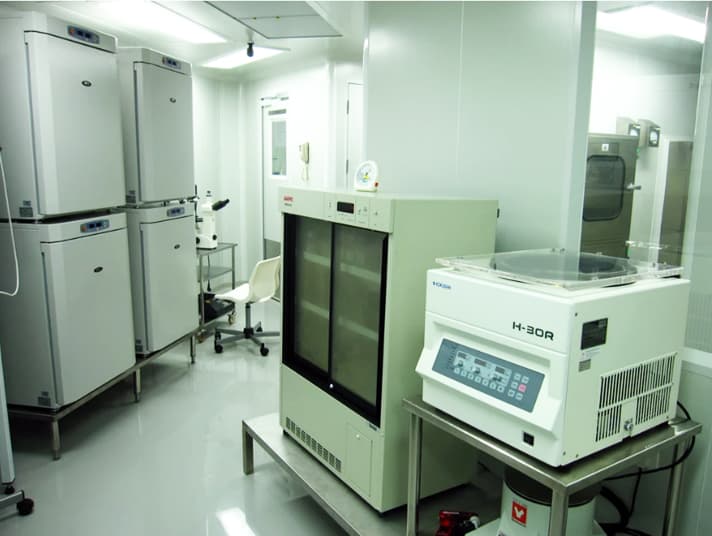
A wide view of NiSCELL cleanroom equipment: upright freezers, an incubator and a centrifuge along the wall of a suite.
Cleanroom equipment. Freezers, incubator and centrifuge, NiSCELL facility.

The business

One platform, five functions

Research, technology transfer, manufacturing, quality assurance and commercialisation, in one company.

01

Research

Three universities, each under a numbered grant.

02

Technology transfer

The platform arrived from Japan in 2009.

03

Manufacturing

Four Grade B cleanrooms, cGMP accredited by the NPRA.

04

Quality assurance

Led by the same person since 2015.

05

Commercialisation

Products in manufacture, supplied to clinicians.

What the platform covers

Then repair. Cold chain and custody

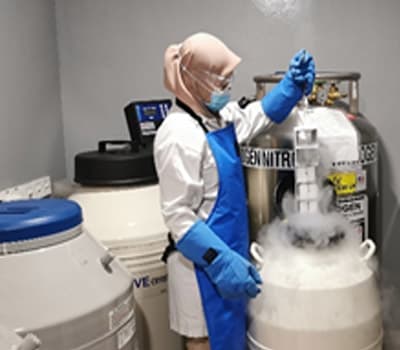
A gowned technician lifting a rack from an open liquid-nitrogen dewar, with vapour spilling over the rim.
Cryopreservation. NiSCELL facility, Petaling Jaya.
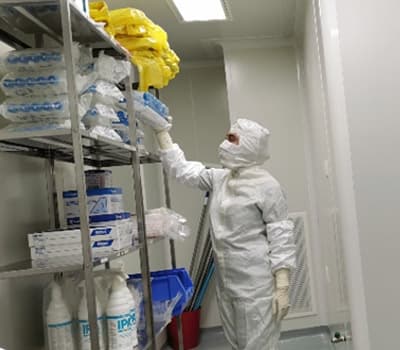
A gowned technician retrieving supplies from a shelved storage rack inside a cleanroom.
Cleanroom storage. Every item retrieved is a recorded movement.
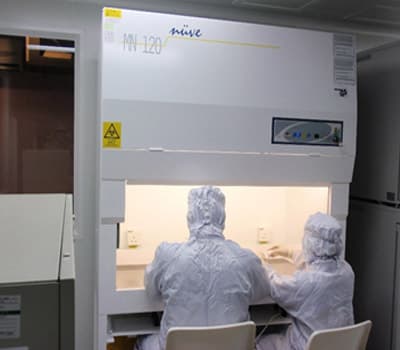
Two gowned technicians working side by side at a biosafety cabinet inside a cleanroom suite.
Open handling at a biosafety cabinet, cleanroom suite.

Today

What NiSCELL makes now

Three things are in production or in use. Each is published with its purpose, its status, and what it is not.

AIET

Autologous Immune Enhancement Therapy

A person's own immune cells, taken out, increased in number in the cleanroom, and returned.

AIET stands for Autologous Immune Enhancement Therapy. Autologous means the cells come from the same person who receives them. Natural killer (NK) cells, and in some cases T cells, are collected from a patient's blood, expanded and activated under cGMP conditions, and returned by a clinician. The platform came from the Biotherapy Institute of Japan in 2009 and has been run at NiSCELL for fifteen years.

Wellness and immune enhancementNK cells
Aimed at supporting the immune functions a healthy body already performs.
Clinician-directed immune supportNK cells and T cells
Prepared at a treating clinician's direction, alongside the care that clinician is already providing, to support immune function. A supportive measure. Not a treatment for any condition, and not considered a cure.

Status

Purpose
To collect, expand and activate a person's own immune cells under cGMP conditions, for administration by a clinician.
Current status
In manufacture. Produced at the NiSCELL facility, which is cGMP accredited by the NPRA.
Intended audience
Clinicians and their patients. Research partners.
What it is not
  • Not a cure for cancer. The immune support track is a supportive measure used alongside the care a clinician is already providing, at that clinician's direction.
  • Not available direct to the public, and not sold without a clinician.
  • Not a substitute for any treatment a doctor has prescribed.
Evidence available
Manufacturing and release records. Facility accreditation. The platform's transfer history from the Biotherapy Institute of Japan, 2009.
UC-MSC therapy

Umbilical cord derived mesenchymal stem cell therapy

Stem cells from donated umbilical cord tissue, screened to international tissue banking standards.

MSC stands for mesenchymal stem cell, a type of adult stem cell that supports tissue repair. NiSCELL's MSCs are UC-MSC, meaning they are derived from umbilical cord tissue donated after birth. They are allogeneic, meaning one screened donor's cells can be prepared for a different person, so the product does not have to be made from scratch for each recipient. Cord tissue is abundant, the cells grow readily, and their low immunogenicity means the recipient's body is less likely to react against them.

Collection standard
American Association of Tissue Banks (AATB), Standards for Tissue Banking, 15th edition.
Donor criteria
Healthy donors under 27, first pregnancy.
Screening
Blood testing, communicable and infectious disease screening, family history, and screening for chromosomal abnormalities.
Type
Allogeneic. Donor derived, prepared for a recipient who is not the donor.

Status

Purpose
To manufacture allogeneic UC-MSC to a documented collection and screening standard, for administration by a clinician and for research use.
Current status
In manufacture. Collected to AATB 15th edition standards. Allogeneic MSC research has run at NiSCELL since 2013.
Intended audience
Clinicians, research partners, and sponsors sourcing MSC manufacture.
What it is not
  • Not a registered medicine, and not approved for any named indication.
  • Not available direct to the public.
  • Not offered for longevity or general renewal, and not offered for any developmental condition.
  • Not a treatment for osteoarthritis, wound healing, autoimmune conditions or diabetes. Those are areas of ongoing research at NiSCELL, not conditions it treats.
Evidence available
AATB 15th edition collection standards. Donor screening records. Facility accreditation. University research collaborations with USM, UiTM and UPM.

NK Activity Test

Natural killer cell activity test

A laboratory measure of how active a person's natural killer cells are.

Natural killer (NK) cells are immune cells that remove damaged or abnormal cells. The NK Activity Test measures how active a person's NK cells are in the laboratory. It is an immune monitoring tool. It gives a clinician a baseline before treatment and a way to see how that measure moves afterwards.

Baseline assessment
Establishes a person's NK activity level before treatment begins.
Response monitoring
Allows a clinician to compare NK activity over the course of treatment.
Follow-up
Supports a clinician in setting an individual follow-up strategy.
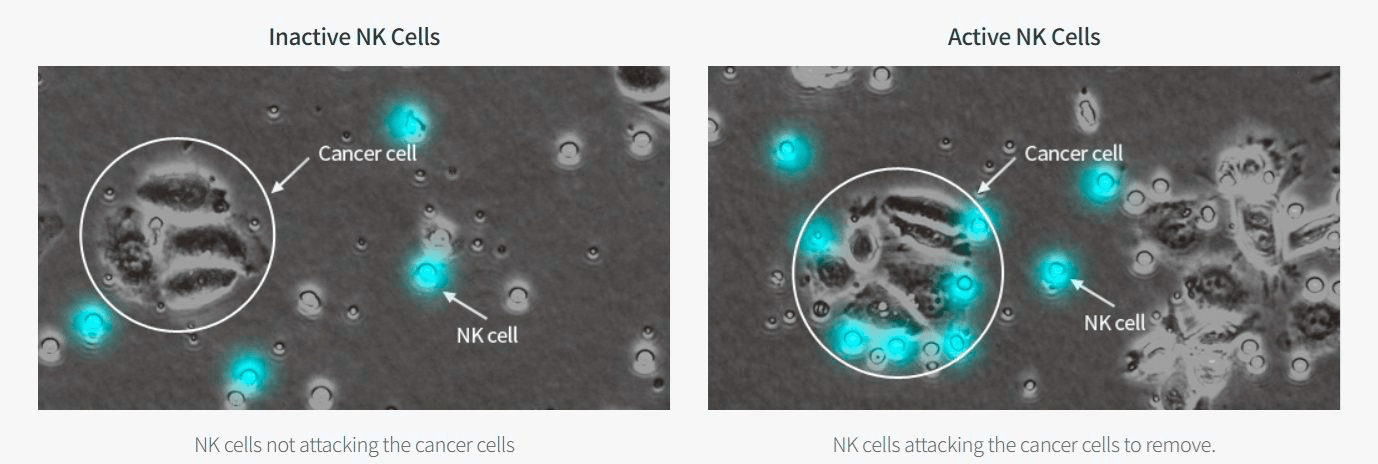
Two phase-contrast micrographs side by side: inactive NK cells sitting apart from a cluster of cancer cells, and active NK cells surrounding and attaching to the same cluster.
NK activity micrograph, NiSCELL laboratory.

Status

Purpose
To measure natural killer cell activity, so a clinician has a baseline and can evaluate response to treatment.
Current status
In use as an immune monitoring tool. NK cell activity testing has been performed at NiSCELL since 2021.
Intended audience
Clinicians and research partners.
What it is not
  • Not a diagnostic test kit for any disease.
  • Not a screening test for cancer, and not a test that tells anyone whether they have a disease.
  • Not a substitute for diagnostic testing ordered by a doctor.
Evidence available
Assay method and laboratory records. NK activity micrographs, published on the evidence page.

Cell therapies are prescribed and administered by clinicians. If you are a patient or caregiver, please speak to your doctor.

The three products

Track record

Fifteen years, dated

Each of these has a date because each of them happened.

The NiSCELL building in Kota Damansara, Petaling Jaya, seen from the approach.
The NiSCELL facility, Kota Damansara, Petaling Jaya.
  1. 2009

    Cell therapy technology transferred from the Biotherapy Institute of Japan. This is the immunotherapy platform the company still runs, and the reason the company is called Nichi Asia.

  2. 2013

    Research begins on allogeneic mesenchymal stem cells (MSC), meaning cells prepared from a screened donor rather than from the recipient.

  3. 2015

    Research collaborations with Universiti Sains Malaysia (USM) and Universiti Teknologi MARA (UiTM) begin, running to 2017.

  4. 2021

    MSC, conditioned media and immunotherapy work runs in parallel. NK cell activity testing is established as an immune monitoring tool.

  5. 2023

    Research collaboration with Universiti Putra Malaysia (UPM) on exosomes begins, and continues today.

The full timeline

Next

Secretome and exosomes, at research stage

Two programmes are in research. Neither is a product.

Secretome

Research
Area
Tissue repair
Platform
MSC-conditioned media

The secretome is the mixture of proteins and signalling molecules that stem cells release into the fluid around them. NiSCELL is studying whether that fluid, without the cells themselves, can carry some of the same repair signalling. Research stage. Not a product.

Exosomes

Research
Area
Cell-to-cell signalling
Platform
MSC-derived exosomes

Exosomes are very small packages that cells release to send material to other cells. NiSCELL has been researching MSC-derived exosomes with Universiti Putra Malaysia (UPM) since 2023. Research stage. Not a product.

These are research programmes. None is registered, approved, or available for treatment. Nothing on this page is an offer of therapy or a claim of efficacy.

The pipeline

Provenance and people

Named, with dates

The platform came from Japan in 2009. The people who run it are named, with the year each of them started.

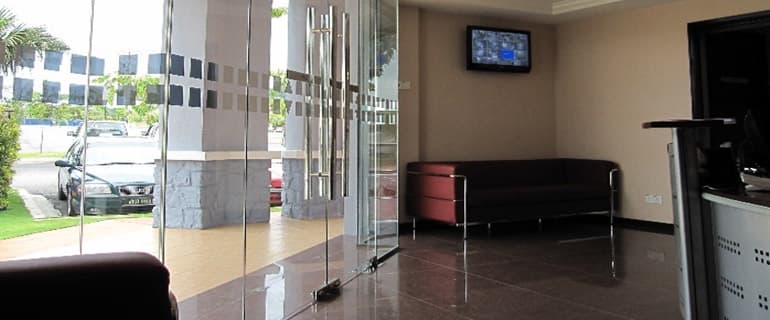
The NiSCELL office lobby and reception interior, Kota Damansara.
Reception, NiSCELL, Kota Damansara. Partners are welcome to inspect the facility.

The platform came from Japan in 2009

NiSCELL is short for Nichi Asia Life Science. Nichi is the Japanese element in the name, and it is not decoration. In 2009 the company's cell therapy technology was transferred from the Biotherapy Institute of Japan. That transfer is where the immunotherapy platform comes from, and the company has been running it ever since.

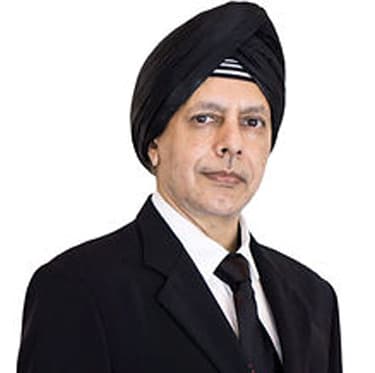
  • Dr Rajbans Singh, Chief Executive Officer at NiSCELL.

    Dr Rajbans Singh

    Chief Executive Officer

  • Dr Sellamuthu Subbanna Gounder, Chief Scientist and Production Head at NiSCELL.

    Dr Sellamuthu Subbanna Gounder

    Chief Scientist and Production Head

    Since 2013

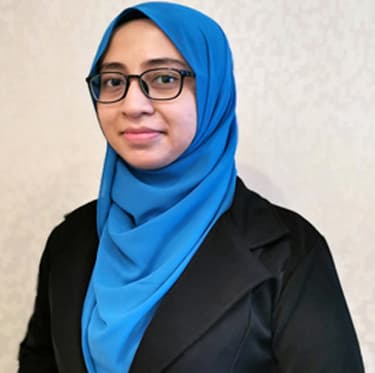
  • Farah Dalila Mohd Zain, QA Assistant Manager and Regulatory Science Officer at NiSCELL.

    Farah Dalila Mohd Zain

    QA Assistant Manager and Regulatory Science Officer

    Since 2015

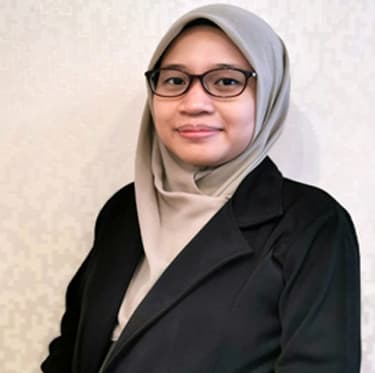
  • Ezzati Radzuan, QC Assistant and flow cytometry specialist at NiSCELL.

    Ezzati Radzuan

    QC Assistant and flow cytometry specialist

    Since 2014

  • Susmita Kumarason, Research and development at NiSCELL.

    Susmita Kumarason

    Research and development

NiSCELL is a small company. The people listed here are the people who do the work, with the dates they started. Photographs are the company's own.

Research collaborations

  • USMUniversiti Sains Malaysia

    Technical feasibility, safety and efficacy of cellular immunotherapy, studied in a metastatic breast cancer mouse model.

    Project 02-01-05-SF0834

  • UiTMUniversiti Teknologi MARA

    Immune cell sensitisation and trafficking in osteosarcoma, studied in mice, toward adoptive immunotherapy.

    Grant FRGS/1/2018/SKK08/UITM/02/12

  • UPMUniversiti Putra Malaysia

    Production of cGMP grade umbilical cord derived MSC, and the safety and feasibility of MSC in a humanised animal model. Exosome research since 2023.

    Project NiSCell/5/2016/NiC01

The team
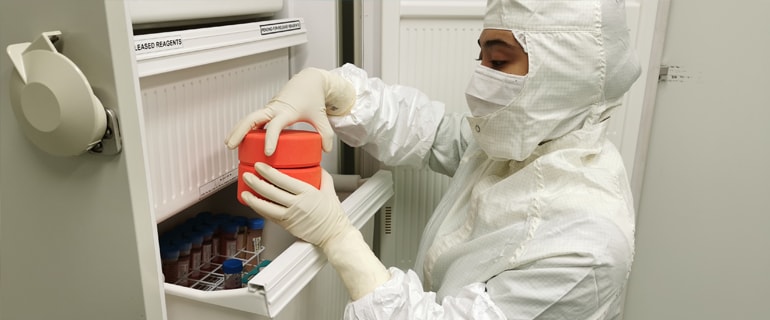
A gowned technician retrieving a labelled reagent box from a cleanroom freezer.

Partner

Partner with NiSCELL

NiSCELL works with sponsors who need cell therapy manufactured under accreditation, with clinicians who need immune monitoring, and with research partners.

Partner with NiSCELL

Cell therapies are prescribed and administered by clinicians. If you are a patient or caregiver, please speak to your doctor.

Reagent retrieval from controlled storage. NiSCELL facility.