Platform · manufacturing
Manufacturing is the part that cannot be copied.
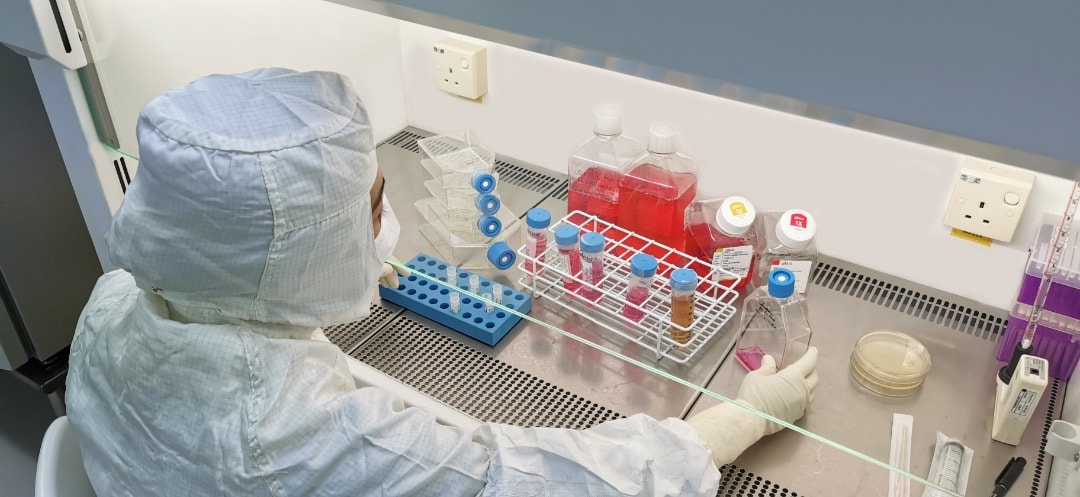
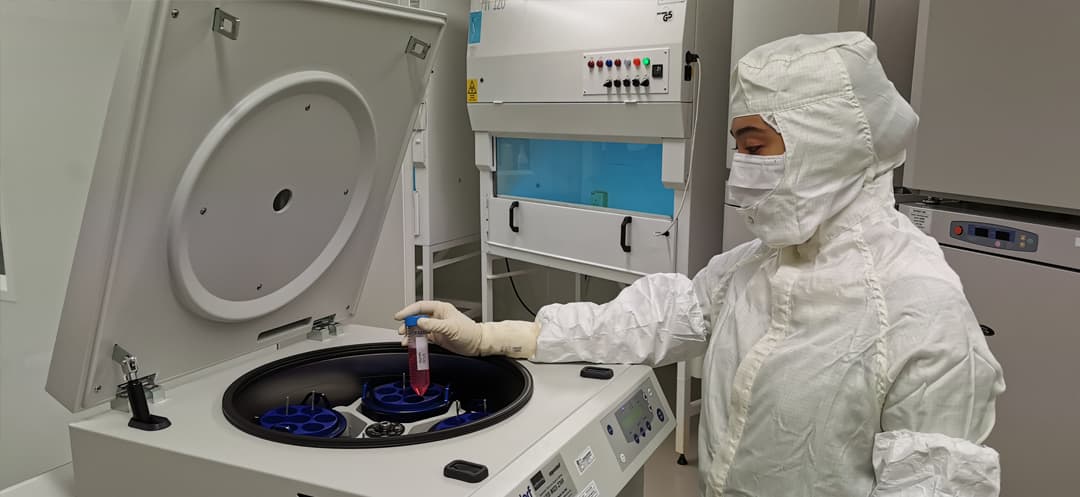
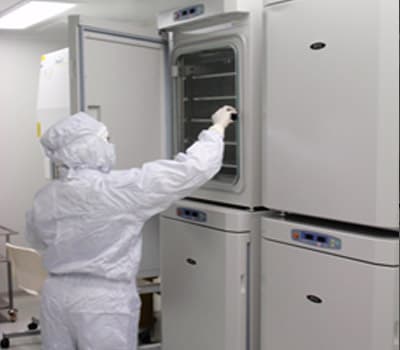
NiSCELL operates controlled cell-processing environments in Petaling Jaya: four Grade B cleanrooms, two Grade C rooms, cGMP accredited by the NPRA. Cells cannot be shipped in from somewhere cheaper. They are made in a graded room, near the clinician, under an accreditation that takes years to earn.
NiSCELL does not describe itself as a full-service contract manufacturer, and does not publish a standard service catalogue. It operates controlled cell-processing environments for its own programmes, and welcomes discussions with research, clinical and commercial partners. Capabilities and project fit are assessed individually.
The regulated asset is the moat
A cell is not a molecule. It cannot be synthesised at scale in a cheaper country, held in a warehouse and shipped when an order comes in. It is made close to the person who will receive it, on a schedule that belongs to a clinician, inside a room that a regulator has already accepted.
That is the whole argument. The cost of the room is not the capital cost. It is the years of accreditation, the audit history, the document trail and the people who have run the floor long enough to know what the records are for. Capital can buy a cleanroom. It cannot buy a cleanroom that has already been inspected.
NiSCELL has four Grade B rooms. Four is a capacity statement rather than an adjective: it is the number of products that can be in process at once. The plan of those rooms is published on this site, which is a thing a company can only do if the rooms are real.
Manufacturing capabilities
Assessed individually
Manufacturing
- Process development
- A sponsor protocol is taken and made to run in a suite, repeatably, at the scale the study actually needs.
- Technology transfer
- A sponsor process is moved into NiSCELL's cleanrooms and qualified there. This is the work most sponsors underestimate.
- Immune cell products
- Natural killer (NK) cells and T cells, including cytotoxic T lymphocytes (CTL). The platform was transferred from the Biotherapy Institute of Japan in 2009.
- Stem cell products
- Umbilical cord derived mesenchymal stem cells (UC-MSC), allogeneic, and MSC-derived material in development.
Quality systems
- Environmental monitoring
- Four Grade B cleanrooms and two Grade C rooms, with clean corridors, pass boxes and dedicated change rooms.
- Document control
- Every step attributable, every record retrievable. If it is not written down, it did not happen.
- Audit readiness
- The facility is cGMP accredited by the NPRA and is audited by the NPRA and the Ministry of Health. Partners are welcome to inspect it.
- Deviation handling
- Deviations are recorded, investigated and closed, not absorbed quietly.
Controlled release
- Release testing
- Sterility, endotoxin, mycoplasma, viability and identity, before anything leaves the building.
- Named release
- A named individual signs. Release is a decision a person makes, not a status a system sets.
- Cold chain
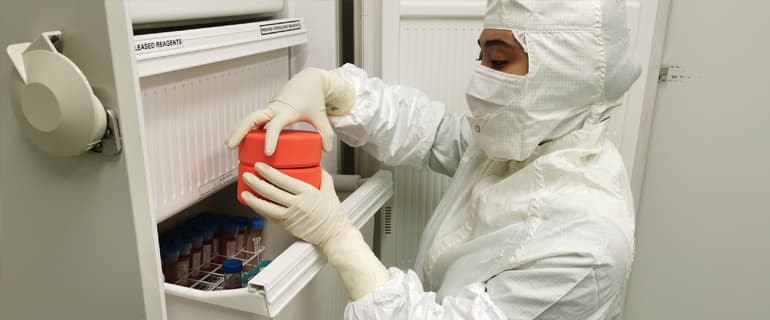
- Cryopreservation and controlled storage, with custody documented end to end.
- Donor screening
- Umbilical cord tissue is collected to the standards of the American Association of Tissue Banks (AATB), 15th edition.
Process and technology transfer
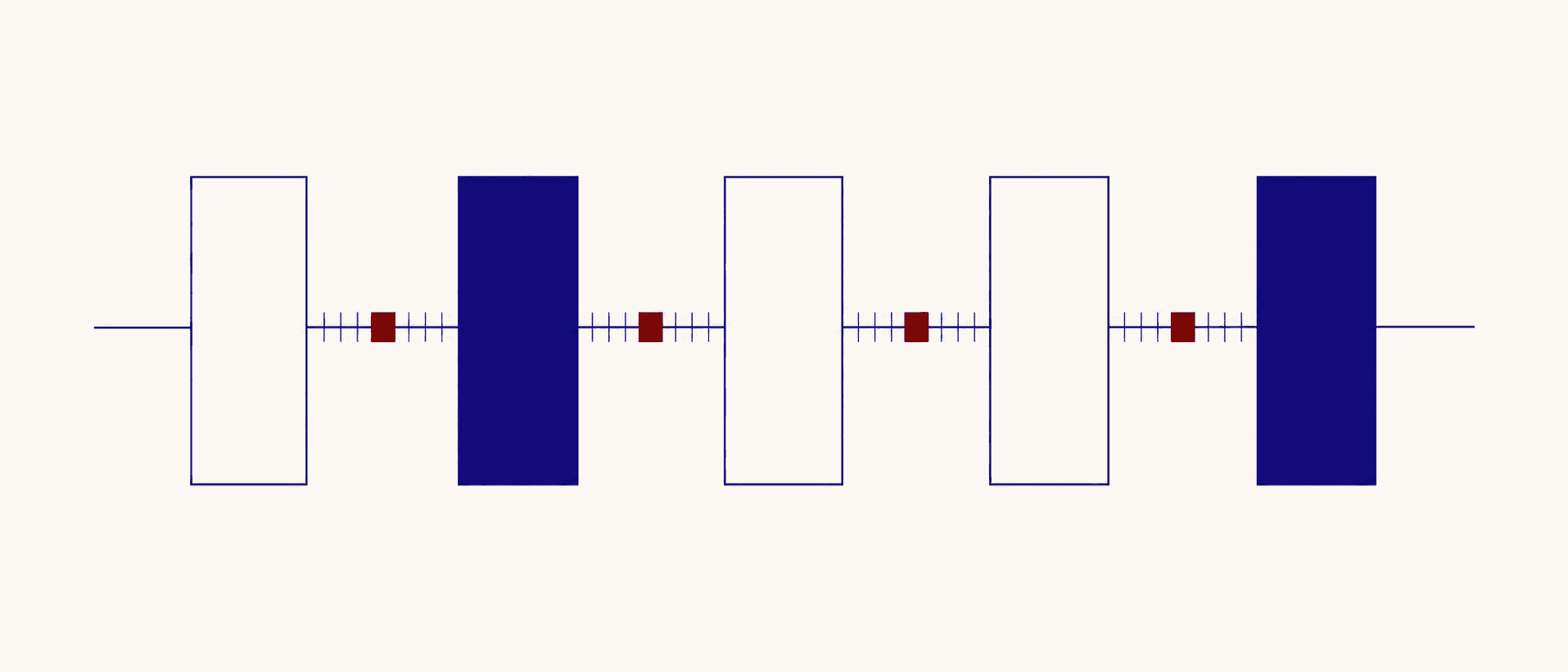
Technology transfer is where cell therapy programmes lose their timelines. It is the step most sponsors underestimate, so it is the one worth describing rather than claiming. The sequence below is the order a discussion runs in and the material NiSCELL asks for at each point. It is not a quotation, a service level, or a commitment to a schedule. Scope, timing and fit are assessed project by project.
- 01
Feasibility review
The process is read against the suites, the accreditation and the date. If it does not fit, that answer arrives at the start rather than six months in.
What NiSCELL asks for
Process description, development stage, intended timeline
- 02
Confidentiality
A mutual non-disclosure agreement is executed before anything sensitive moves. A full CMC package is not needed to say whether the shape of the thing is manufacturable here.
What NiSCELL asks for
Executed mutual NDA
- 03
Gap assessment
The process is compared against NiSCELL's equipment, materials and what the NPRA expects. The output is a written list of what would have to change, including the parts a sponsor would rather not hear.
What NiSCELL asks for
Batch records, analytical methods, materials list, prior deviations
- 04
Process fit
The process is run. Non-GMP first, then engineering runs, until it behaves the same way twice in a row in these rooms and not only in the rooms it came from.
What NiSCELL asks for
Reference material, cell source, critical reagents, acceptance criteria
- 05
Qualification and documentation
Method transfer and qualification, batch record authoring, and a release specification agreed and signed by a named person.
What NiSCELL asks for
Release specification, stability plan, regulatory strategy
- 06
Manufacture
Released product, on the protocol's dates, with custody documented from collection to delivery.
What NiSCELL asks for
The protocol and its schedule
What NiSCELL does not take on
- NiSCELL does not treat patients. It manufactures the product a clinician's protocol calls for.
- NiSCELL does not sell therapies direct to the public, and does not accept patient self-referrals.
- NiSCELL does not run clinical trials. It supplies them.
The list is short and it is the useful part of the page. A manufacturer that will not say what it declines is a manufacturer whose yes means nothing.
Partner with NiSCELL.
Discussions with research, clinical and commercial partners begin with the process and the stage it is at. The most useful early outcome is sometimes that the answer is no, said quickly and with the reason written down.
Partner with NiSCELL