
Evidence
Every figure, and where to check it.
This page lists the claims this site makes and groups them by how a reader can verify them. Where an outside body can confirm a claim, the register names it. Where NiSCELL is the only source, the register says that too.
The register
Checkable with an outside body
A regulator, an accrediting body or a public registry, not NiSCELL, is the source.
- The cell processing facility is cGMP accredited by the NPRA, Malaysia's National Pharmaceutical Regulatory Agency.
- Source NPRA accreditation
- BioNexus status, granted by Bioeconomy Corporation to qualified Malaysian biotechnology companies.
- Source Bioeconomy Corporation BioNexus registry
NiSCELL is the source
Published by the company about itself. No outside body has been asked to confirm it.
- Four Grade B cleanrooms, NCR-1 to NCR-4, plus two Grade C rooms.
- Source NiSCELL cleanroom floor plan, published on this site
- Fifteen years of immune cell work, and twelve years in adult stem cell.
- Source NiSCELL company deck, 2026
The same labels are used on the people listed on the about page. A claim NiSCELL cannot ask someone else to confirm is still published here, marked, rather than left out or quietly upgraded.
Exhibits
Two photographs that carry a claim rather than decorate one. Both are the company’s own, at the resolution they exist at, and neither is retouched or enlarged.
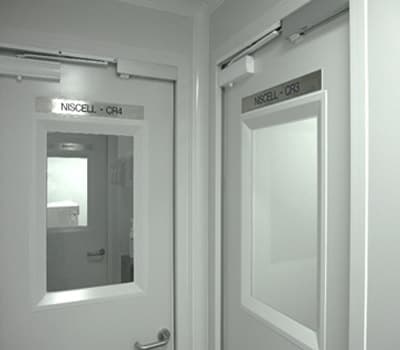
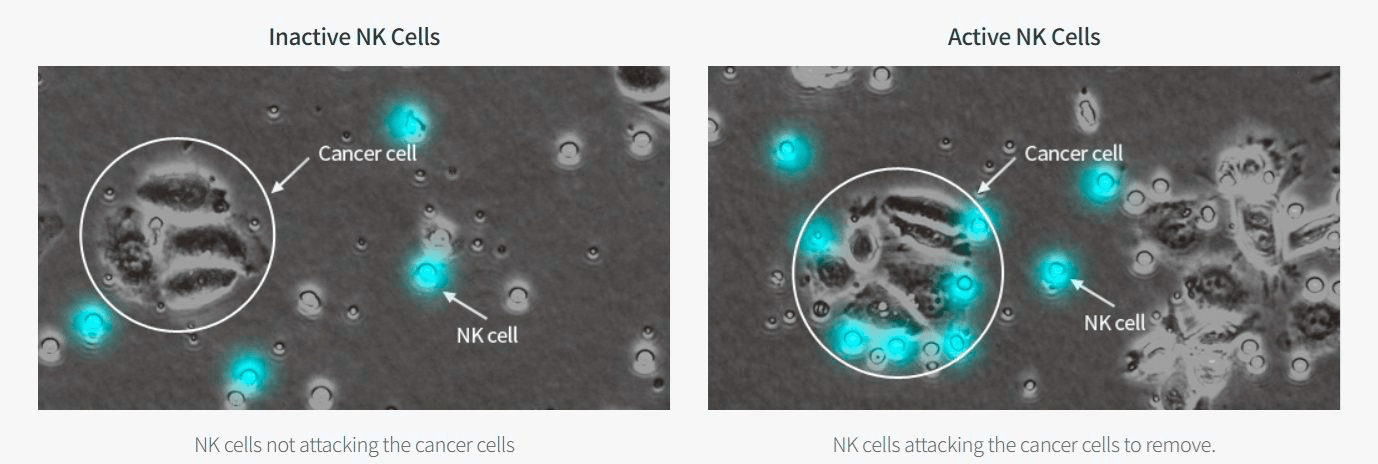
Donor standards
Umbilical cord tissue is collected to the Standards for Tissue Banking published by the American Association of Tissue Banks (AATB), 15th edition. The standard is an external document, written by someone other than NiSCELL, and it can be read in full by anyone who wants to check what the company holds itself to.
- Collection standard
- American Association of Tissue Banks (AATB), Standards for Tissue Banking, 15th edition.
- Donor criteria
- Healthy donors under 27, first pregnancy.
- Screening
- Blood testing, communicable and infectious disease screening, family history, and screening for chromosomal abnormalities.
- Type
- Allogeneic. Donor derived, prepared for a recipient who is not the donor.
Research collaborations
Three Malaysian universities, each under a numbered grant or project. The number is the reason each collaboration is listed here: a grant number can be checked with the institution that issued it, which is more than a logo can say for itself.
Universiti Sains Malaysia
Technical feasibility, safety and efficacy of cellular immunotherapy, studied in a metastatic breast cancer mouse model.
Project 02-01-05-SF0834NiSCELL is the source
Universiti Teknologi MARA
Immune cell sensitisation and trafficking in osteosarcoma, studied in mice, toward adoptive immunotherapy.
Grant FRGS/1/2018/SKK08/UITM/02/12NiSCELL is the source
Universiti Putra Malaysia
Production of cGMP grade umbilical cord derived MSC, and the safety and feasibility of MSC in a humanised animal model. Exosome research since 2023.
Project NiSCell/5/2016/NiC01NiSCELL is the source
University logos are reproduced to identify each collaborating institution. They are not an endorsement of NiSCELL or of any product on this site.
Cell therapies are prescribed and administered by clinicians. If you are a patient or caregiver, please speak to your doctor.